
Prices in Bulgaria 2024 – your guide to the cost of vacation and living in the country
If you're dreaming of a new life in Bulgaria, you're not alone. Every year, thousands of people become new legal residents. Bulgaria. With a wide range of places to live and work, you'll find expat communities in every corner of the country. Whether you're retiring, temporarily relocating, or moving to Bulgaria permanently, it's helpful to have an idea of what prices are in Bulgaria. This is a quick guide.
In this article, we've compiled the most up-to-date information. We'll explore how to save money and share our personal experience of how much we spend per month living in Bulgaria. We'll also compare this to our expenses over the past year.
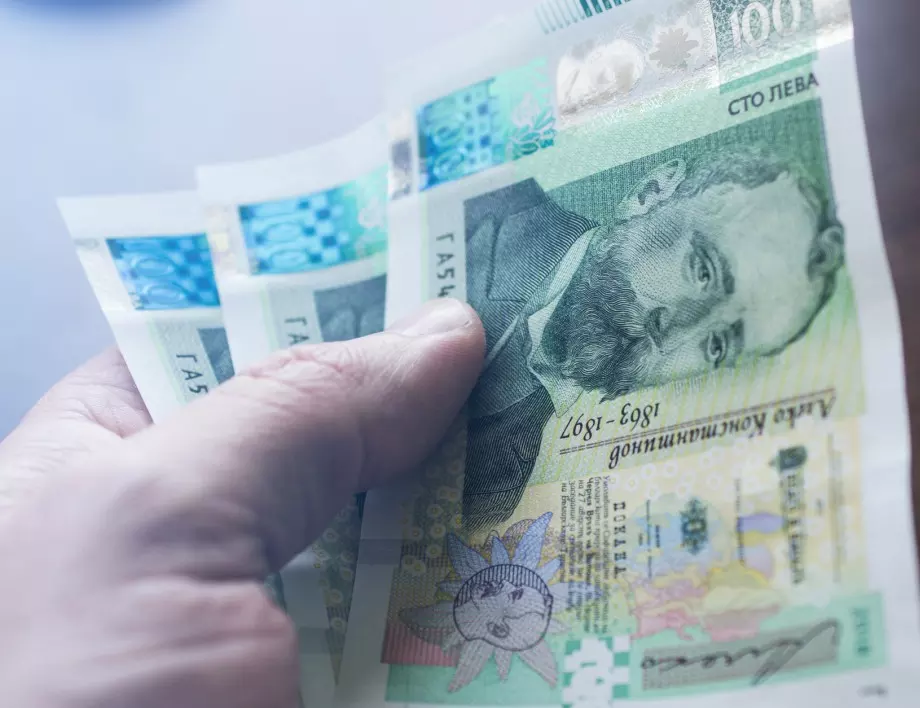
You can find out the exact value of your money in Bulgarian leva using the online currency converter, here's a rough estimate:
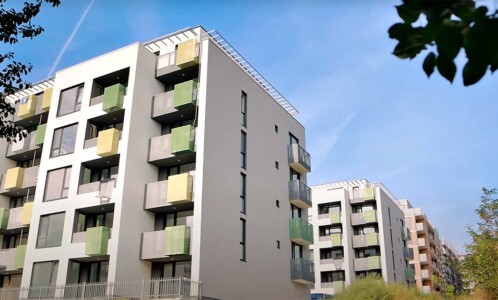
Photos of Prices in Bulgaria



- 1000 leva = 552 US dollars
- 1000 lev = 510 euros
Why is Bulgaria better than other European countries?
I wanted to present this section about the standard of living in Bulgaria objectively. I couldn't find anything better than to use global indices and share their data. First, the Democracy Index, which measures the level of democracy in a country based on 60 key indicators, shows that Bulgaria ranks 57th among all countries in the world. For example, according to this index, Norway is 1st, Germany is 14th, Romania is 61st, and Belarus is 153rd.
Bulgaria is also ranked 43rd in the Quality of Life index. Luxembourg is first. Bulgaria is ranked 20th in the Health Security index. Bulgaria's Purchasing Power Index (PPI) score is 58, placing it 36th. The United States has the highest score, at 75.9. Qatar has the highest safety index, at 85.7, while Bulgaria has the highest score, at 62.5.
Prices in Bulgaria 2024: Food
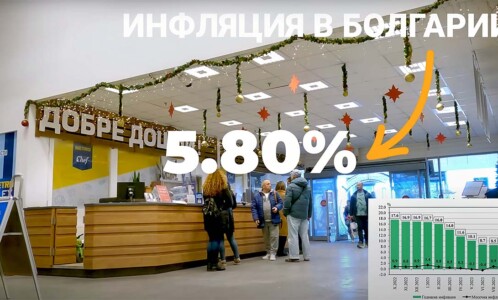
Official inflation in Bulgaria fell to 5.81% over the year. If you want to buy groceries, chain stores are the most common choice in Bulgaria:
Kaufland, Lidl, Billa, Metro, and BulMag. For basic groceries, the prices are as follows:
| Fresh pork meat, 1 kg | 8.49-14.99 lev |
| fresh chicken, 1 kg | 5.59-6.99 lev |
| frozen hare, 1 kg | 12.99-19.99 lev |
| Bread, 500 g | 1.59-1.99 lev |
| Vegetable oil, 1 l | 1.99-4.89 lev |
| A pack of ten eggs | 4.29-5.89 lev |
| Salami Pizza« | 3.99-4.99 lev |
| Sausages 200 g | 2.29-2.99 lev |
| Lard, 1 kg | 17.59 lev |
Then I decided to focus solely on vegetables. The prices in the stores are as follows:
| Tomatoes, 1 kg | 2.99 lev |
| Bell pepper, 1 kg | 4.99 lev |
| Potatoes, 1 kg | 1.28-1.48 lev |
| Cucumbers, 1 kg | 3.59 lev |
| Onions, 1 kg | 1.99-4.89 lev |
| Cabbage, 1 kg | 0.89 lev |
| Mushrooms, 0.5 kg | 4.29 lev |
In Bulgaria, fruit is always plentiful, regardless of season. Fruit prices here are as follows:
| Apples, 1 kg | 1.49-2.89 lev |
| Lemons, 1 kg | 1.79-2.99 lev |
| Bananas, 1 kg | 3.19 lev |
| Kiwi, 1 kg | 2.79 lev |
| Persimmon, 1 kg | 1.49 lev |
If you look at the prices of cereals, sugar, and salt, you'll see this price range. Incidentally, buckwheat is hard to find in Bulgaria; not all stores carry it, and it's quite expensive.
| Rice, 1 kg | 2.49-4.59 lev |
| Oat flakes, 0.5 kg | 1.65 lev |
| Spaghetti, 1 kg | 1.99-3.29 lev |
| Buckwheat, 0.5 kg | 3.49 lev |
| Flour, 1 kg | 1.12-1.75 lev |
| Sugar, 1 kg | 1.99-2.59 lev |
| Sea salt, 1 kg | 0.43 lev |
Well, for dairy lovers, the store has prepared the following financial offer:
| Milk, 3.5%, 1 l | 2.54-2.79 lev |
| Ayran, 0.5 L | 1.49-1.65 lev |
| Sour cream, 0.4 kg | 3.89-4.99 lev |
| Butter, 0.25 kg | 3.99-6.59 lev |
Can you live without coffee and tea? This is what's available in Bulgaria:


But what if you decide to dine out at a café or restaurant instead? The math will be different, of course. And naturally, the cost for dinner or lunch will depend on the specific establishment. Generally, the average bill per person will be 50-100 leva. A single dish will cost an average of 8-20 leva. These prices are typical for mid-range establishments.

I came to the local McDonald's, the selection here is standard, let's see what their prices are.
So, a hamburger is 3.30 leva, a cheeseburger is 3.60 leva, a double cheeseburger is 8 leva, and a Big Mac is 8.60 leva. And if you want a coffee, a cappuccino will cost you 4-5 leva almost everywhere. And if you want a pastry or a slice of cake, that's even better.
Household goods
The next exhibit in our research was the prices of personal care products and essential household goods. A 30-roll pack of toilet paper costs 18.49 leva. Savex laundry detergent for 40 washes costs 14.89 leva.



It's difficult to calculate exactly how much we spend per month. We spend approximately 30 euros on household goods.
-
In total, our family spends 1000 leva per month on food and household goods.

The iPhone 15 Pro Max is more expensive than last year's top-of-the-line iPhone. Overall, smartphones in Bulgaria can be purchased from 159 leva (Nokia) to 3,979 leva (iPhone). Large TVs with a 40-inch screen can be purchased from 389 leva (Telefunken) to 7,499 leva (Sony).
Laptops from 529 (Acer) to 5999 BGN (Apple MacBook Pro).
Prices in Bulgaria. Rental housing
Prices in Bulgaria. Rental housing
Let's move on to another, perhaps most important, question: where to live? And what are the rental prices in major Bulgarian cities? And I'll also tell you how much it costs to buy an apartment. So, when it comes to rental prices, they vary quite a bit.

If you want to rent an apartment, then the most common place to look for it is on: Imot.bg, OLX, Bazar.bg, Alo.bg. Here you can find the desired option from both a realtor and the owner. And most importantly, on these websites, you can immediately check the price. One thing to remember is that in Bulgaria, apartments are locally called "apartments." A one-bedroom apartment is also called a studio. A two-bedroom apartment is what we call a one-bedroom apartment, meaning an apartment with one bedroom.
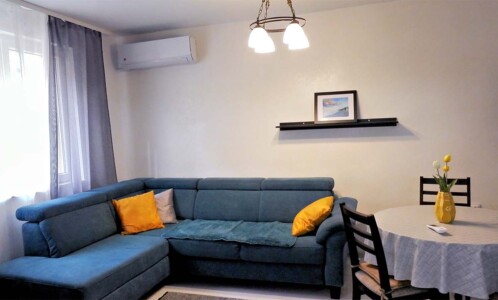
Welcome to a Bulgarian apartment. By Bulgarian standards, it's a three-room apartment, but here we consider it a two-room apartment. It's a good neighborhood. Varna, The apartment is 70 square meters in size. It comes fully furnished and equipped with all necessary appliances. An electric hot water heater is commonplace in Bulgaria. However, this apartment's unique feature is a shower stall, which is rare in Bulgaria and considered above-average. Rent for this apartment starts at 1,200 leva.
If you're renting a studio apartment in Varna, meaning one without a separate bedroom, you can rent such an apartment for between 350 and 1200 leva.
Another nuance of Bulgaria is that apartments don't have central heating, with the exception of some areas of the capital, Sofia, and some gated communities. Heating is usually provided by electricity, using air conditioners, convectors, heaters, and the like. Particularly frugal residents don't heat their apartments at all, which saves significant energy, especially since winters are mild and the sun provides decent heat even in winter. Therefore, if your windows face south, your apartment will warm up within a day on a sunny day. An electric blanket is also a great help on winter nights.
Apartment rental prices vary by city and region. However, prices have increased significantly over the past year. Sofia Rental prices for a one-room apartment now start from 550 leva, for a two-room apartment from 600 leva, and for a three-room apartment from 900 leva per month.
In Sofia, we found a one-bedroom studio apartment in the Bykston neighborhood for 550 leva. This is not the center of Sofia. The apartment is 30 square meters and is on the second floor of a six-story building. The shower is simply a drain in the floor; there is no shower stall. This type of bathroom is standard in Bulgaria.
The price of a two-bedroom apartment in the Mladost-1 neighborhood is 700 leva. Again, this isn't the center. The apartment is 45 square meters, on the second floor of a six-story building in a new development. A metro station is nearby. The shower is a stall, a rarity in Bulgaria. Another unique feature of this apartment is the central heating.

These prices are for long-term rental housing with a 1-year contract.
When signing the contract, in addition to the rent, you must immediately pay a deposit equal to one month's rent. If you use a real estate agent, you'll also have to pay an additional fee. In Sofia, this amount is 100% of the monthly rent, and in Varna, 50%. Therefore, if the rent for an apartment is €500, you'll have to pay €1,500 upfront if the apartment is in Sofia, or €1,250 if the apartment is in Varna.
| City of Bulgaria | 1-room apartment in the city center (long-term rent) | 1-bedroom apartment outside the city center (long-term rent) | 3-room apartment in the city center (long-term rent) |
|---|---|---|---|
| Sofia | 400€ | 350€ | 550€ |
| Plovdiv | 200€ | 200€ | 400€ |
| Varna | 250€ | 180€ | 450€ |
| Burgas | 200€ | 200€ | 450€ |
| Stara Zagora | 175€ | 150€ | 250€ |
| Veliko Tarnovo | 150€ | 150€ | 225€ |
| Bansko | 250€ | 320€ | 500€ |
Short-term rental housing
Short-term rentals are subject to price negotiations. Typically, the price will be significantly higher, sometimes even double the standard rate. Also, foreigners are not very likely to rent to foreigners. And if you have a pet, finding a place to live becomes more difficult, and the price increases accordingly.
In Bulgaria, the cost of renting a home generally includes only the rent itself. Electricity, water, and the so-called "maintenance fee"—which is similar to a service charge—are paid separately.
If you're looking to buy an apartment, keep in mind that apartment prices have continued to rise. Studio apartments in Sofia start at €65,000, while two-bedroom apartments start at €75,000. These apartments are located on the outskirts of the capital, not in the center.
Prices in Bulgaria. Utility costs
In January, our family's electricity consumption was 110 leva. This is despite the fact that we have a dual-tariff "day/night" meter, energy-efficient light bulbs, and we hardly used the heater. The main electricity consumers are the water heater, microwave, electric kettle, computer, and heating appliances. To save electricity, you can turn on the water heater only during the night tariff. If the water heater is large enough, its hot water supply should last the entire day. The price for 1 kW of electricity in Bulgaria is 27 stotinki during the day and 15 stotinki at night. Utilities in Bulgaria sometimes also include a so-called maintenance fee, which covers building maintenance and the elevator, if any. The price varies depending on the building management company; usually, there is no maintenance fee, but in our case, it was 26 leva per month.
600 leva rent for an average 2-room apartment + 110 leva electricity (450 kW) + 60 leva water supply + 26 leva maintenance fee.
-
So the total cost of utilities is: 796 leva per month.
Prices in Bulgaria. Transportation
The next unavoidable expense is transportation. In Sofia, Varna, and Bulgaria in general, transportation is also a key consideration. After living in Bulgaria for 10 years, I've learned one thing: wherever you are, there's bound to be someone or something to help you get where you want to go. To cover any distance within the city and beyond, you can take a taxi or drive your own car.
You can also purchase a 30-day travel card for 50 leva (personalized) or 60 leva (regular). This will allow you to travel on any mode of transport throughout the city. It's also worth noting that public transport in major Bulgarian cities is generally new.
Trams, regular buses, and electric buses will take you along the desired route and often keep to schedule. You can track any route in real time using the information boards at stops or the app on your phone. Taxis will cost an average of 1.10 leva per kilometer, regardless of the company.
But the most popular mode of transportation in Bulgaria is a private car. The famous saying, "A car is not a luxury, but a means of transportation," has become a reality in Bulgaria. Families often own two, three, or even more cars. Everyone drives cars in Bulgaria, from high school students to the elderly.

The number of cars per 1,000 people in Bulgaria is higher than in countries like Romania, Hungary, Latvia, and Turkey. To avoid buying a car, you can rent one. However, this isn't exactly cost-effective, especially in the summer, when rental prices almost double.
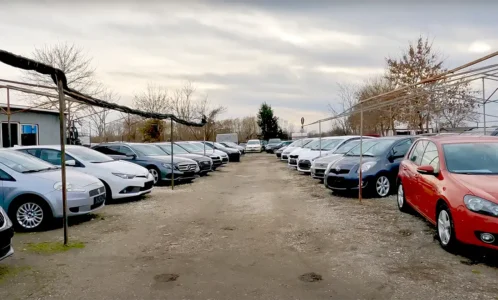
Buying a used car in Bulgaria is quick and affordable, as there are no customs clearance procedures, and a large number of cars are imported into the country.
If you want to find a car, then the most common searches here are: Mobil.bg, Cars.bg, OLX, Bazar.bg, Alo.bg. Here you can find the desired option, both from the seller and the owner. And most importantly, on these sites, you can immediately check the price.
And only after that can you actually buy a car on such large sites, called here “autokishti”.
For example, a Mercedes R320 costs 12,900 leva. A 2013 Dacia Duster costs 12,900 leva. A 2013 Ford C-Max costs 9,900 leva. A Fiat Punto costs 6,000 leva.
If you own a car, you'll pay about 2.71 leva for a liter of A-95 gasoline, and 2.81 leva for a liter of diesel. It's also worth remembering mandatory car insurance. It costs from 45 leva for 30 days, and from 255 leva for 12 months, depending on your car and insurance company.
If your car has Bulgarian license plates, you'll need to undergo a technical inspection (40-50 leva) and pay an annual vehicle tax (starting from 70 leva). The tax amount depends on the city of registration and the vehicle.
You also need to buy a vignette to drive on roads outside of populated areas. A monthly vignette costs 27 leva. The best deal is a yearly one, which costs 87 leva. If you leave the city without a vignette, even briefly, you'll be stopped and face a hefty fine, as cameras are everywhere.
Prices in Bulgaria. Healthcare and other insurance
Health insurance should also be added to the basic expenses. Insurance is mandatory in Bulgaria. The type of insurance you need depends on your legal status in Bulgaria. If you have a residence permit, you'll need to purchase insurance. This type of insurance only covers emergencies. It's usually purchased for one year. It costs from 160 leva per year per person, depending on the insurer and the client's age.
If you have permanent residency or Bulgarian citizenship, you must enroll in the health insurance system and pay monthly contributions (NZOK). These contributions are 8% based on your income. Even if you don't have an income in Bulgaria, you still need to pay the minimum payment of 32 leva each month. The good news is that if your children attend school, their school covers this insurance.
Prices in Bulgaria: Internet, TV, and Mobile Communications
To complete the picture, we need to add a few more figures. Home internet costs 14 leva per month. Cable TV starts at 11 leva per month. And if you want to watch our TV channels, you can subscribe to internet television and watch them using a set-top box connected to your TV. Mobile phone service with internet starts at 10 leva per month per phone number. The main mobile operators in Bulgaria are Yettel (formerly Telenor), Vivacom, and A1. Prices vary widely among operators, with a few leva or more.
But the main thing is that they are offered prepaid SIM cards, which offer freedom of choice and carry no financial or contractual risks. However, keep in mind that contracts are usually for two or, more rarely, one year. Terminating the contract early is virtually impossible without financial penalties. If the monthly payment is not made, the number is quickly disconnected, even for incoming calls.
Major cities in Bulgaria are covered by 5G network.
So, mobile communication for 4 phone numbers plus home Internet and television.
Total: 65 leva.
Prices for leisure activities in Bulgaria
As for leisure costs, the figures are as follows: A single movie ticket will cost 15 leva. A visit to the spa will cost 25-51 leva. A massage is 35-75 leva. Museum admission is 5-10 leva. Men's haircuts start at 6 leva. If you use a gym, add another 60 leva per person per month. A Varna-Sofia train ticket starts at 23 leva. A three-star hotel room in Varna starts at 50 leva.
Work in Bulgaria. Salaries
Well, now it's time to share with you one of the most highly anticipated topics of this video: your income potential in Bulgaria. Next, I'll tell you who earns what here, and we'll also find out what the unemployment rate is.
The first thing to note is that not all categories of residents in Bulgaria have the right to work. Those who have the right to officially work include citizens of Bulgaria and EU countries, those with permanent residence permits, those with temporary residence permits, and those with rare specialties who have been issued a Blue Card by their employer. Those with temporary residence permits cannot officially work. However, they can open their own company and provide paid services on behalf of their company.
Here in Bulgaria, you'll usually find job openings that require knowledge of Bulgarian. That's obvious. Of course, there are also positions that don't. But in any case, learning Bulgarian is worth it, and even necessary. Because if you stay here, you'll be more comfortable, and Bulgarians will appreciate your efforts. If you're looking for a job, the most common search terms are: jobs.bg, OLX, Bazar.bg, Alo.bg.
The average salary in Bulgaria is 2,072 leva, or about 1,060 euros. For example, a gas station cashier/consultant earns 1,600-1,800 leva. A restaurant waiter earns around 2,000 leva. A taxi driver earns (excluding fuel costs) around 3,000 leva. A salesperson at a large grocery chain earns around 2,000 leva. A salesperson at a mobile phone store earns between 1,800-3,100 leva. And a nanny earns around 1,300 leva.

Unemployment rates vary greatly from city to city. Sofia has the lowest unemployment rate—1.51% of the total, followed by Varna—2.11%, and the national average is 5.31%. You can see the unemployment situation in other EU countries in the image above.
Residence permit costs
Living in Bulgaria with a permanent residence permit will also incur additional administrative costs. These include annual residence permit renewals and obtaining a personal identification card. These costs total approximately 550 leva per person per year.
How much does a family of 4 spend in 1 month?
-
To calculate, I collected all the receipts for the previous month and got this amount: 2150 leva per month
These are the expenses we spend for a family of four for one month. Of course, these aren't all the expenses; I haven't included school supplies, clothing, or other small items; I won't include those because they're very individual. But we've calculated the basic living expenses in Bulgaria.
How to save money?
How can you save up to 20-30% of your monthly budget? Firstly, chain stores run weekly specials, or what they call promotions here. Products are discounted.
For example, Tchibo Gold coffee, the regular price is BGN 12.99, and today it's on sale for BGN 8.99. Secondly, you can get a discount card, which is also available as a smartphone app. Just remember to activate additional discounts at the checkout.
Every chain store has weekly brochures featuring products with real discounts, and all this information is duplicated online on store websites. This way, you can actually save up to 20-30% of your family budget.
I hope this information was helpful. Please leave comments; I'll respond to them when possible.
Video version of the article:






 Русский
  English
  Български
  Deutsch
  Română
  Українська
  Polski